 blog
9 Slow Living Home Decor Ideas for a Calmer Space
Last Updated: November 17, 2026
Quick Summary
Slow living home decor ideas begin with decluttering and choosing fewer, more meaningful pieces so your space supports rest instead of demanding attention. Favor natural materials, soft warm light, a neutral nature-led palette, and handcrafted objects, then edit each room down to what helps it rest.
- Clear every flat surface completely, then put back only what you use weekly.
- Pick three shades per room: one light base, one mid tone, one deeper accent.
- Keep to three textures in one corner so the eye can rest.
- Use two or three small warm lamps at different heights instead of overhead lights.
- In small spaces, choose one large artwork over a gallery wall.
Table of Contents
- 9 Slow Living Home Decor Ideas That Bring Calm to Every Room
- Start With Decluttering and Visual Calm
- Choose a Calming, Nature-Led Colour Palette
- Layer Honest Materials and Contrasting Textures
- Make the Most of Natural Light and Soft Lighting
- Choose Cozy, Comfortable Furniture
- Create a Quiet Corner or Reading Nook
- Display Meaningful Objects and Personal Touches
- Bring in Indoor Plants and Woven Textures
- Keep Considered Details and Reduce Excess
- Simple Slow Living Home Decor Ideas You Can Try This Weekend
- Small Slow Living Home Decor Ideas for Compact Spaces
- Nature-Inspired Home Decor: Bringing the Outdoors In
- Slow Living Interior Design: A Room-by-Room Approach
- Finding Handcrafted Art for Your Slow Living Home
- Frequently Asked Questions
9 Slow Living Home Decor Ideas That Bring Calm to Every Room
Slow living home decor ideas start with one shift in thinking: your rooms should help you breathe, not impress a visitor. At Bee Still Art Studio, we think of a home the way we think of a small watercolor painting, fewer elements, carefully chosen, each one earning its place.
Below are nine ideas you can apply to any space, at any budget, plus room-by-room plans and small-space fixes.
Slow living home decor is the practice of furnishing a home with fewer, more meaningful pieces so the space supports rest and attention instead of demanding it. It favors natural materials, soft light, and honest craft over trend-driven excess.
Most guides treat this as a shopping list. We think that gets it backwards.
Start With Decluttering and Visual Calm
Decluttering comes first because calm is mostly about what you take away. Visual clutter drains attention before you notice it, and clear surfaces do more for a room than any new purchase.
Try this order:
- Clear every flat surface completely, then put back only what you use weekly
- Remove one item from each shelf and leave the gap
- Store everyday items in closed baskets or drawers
A common mistake is decluttering a whole house in one weekend. Do one room, live in it for a week, then move on.
Choose a Calming, Nature-Led Colour Palette
A neutral palette works because it lets light and texture do the talking. Soft whites, warm greys, muted greens, clay, and oatmeal calm a room without making it feel cold.
Pick three shades and stay with them across a room. One light base, one mid tone, one deeper accent. Repeat them in fabric, ceramics, and art so the eye finds rest.
- Base: off-white or warm chalk on walls
- Mid: linen, sand, or sage on soft furnishings
- Accent: walnut, terracotta, or forest green in small doses
Keep the palette consistent between rooms. A calm home reads as one thought, not several.
Layer Honest Materials and Contrasting Textures
Honest materials show what they are: wood looks like wood, linen wrinkles, clay keeps its thumbprints. These imperfections make a room feel lived in rather than staged.
Texture is where calm gets its depth.
What most guides miss is restraint. Three textures in one corner is plenty. Add a fourth and the eye starts working again.
Make the Most of Natural Light and Soft Lighting
Natural light is the cheapest decor you own.
After dark, switch off overhead lights where you can. Use two or three small lamps at different heights instead.
Watch out: layering too many lamps in one room creates glare, not calm. Two or three soft pools of light beat six bright ones.
Choose Cozy, Comfortable Furniture
Comfortable seating invites you to sit, and sitting is the point. Choose sofas and chairs with deep seats and soft covers; a room that looks beautiful but feels stiff will stay empty.
Look for:
- Washable slipcovers in linen or cotton
- Low, wide shapes rather than tall and formal
- A mix of firm and soft cushions
One well-chosen armchair beats a matching three-piece suite in most small homes. Buy for how you actually sit, not for how a catalog arranges a room.
Create a Quiet Corner or Reading Nook
A reading nook is a small, deliberate space for rest.
Place a chair near a window, add a small side table and a warm lamp, and hang one small painting at eye level.
This is where slow living interior design earns its name. The nook has no job except to let you pause.
Display Meaningful Objects and Personal Touches
Meaningful objects carry memory, and memory is calming. A stone from a walk, a hand-thrown bowl, a small original painting.
Choose fewer pieces and give each one room. A single shelf with four considered objects reads calmer than a crowded cabinet.
At Bee Still Art Studio, our ACEO miniature paintings are made for exactly this kind of display.
Bring in Indoor Plants and Woven Textures
Plants soften hard edges and add life to still rooms. A single olive tree or a trailing pothos does more than ten small pots on a windowsill.
Pair greenery with woven textures: jute rugs, rattan baskets, wool throws. These natural fibers add warmth and echo the outdoors.
- One large plant per main room
- Woven storage for anything that needs hiding
- A natural fiber rug under the main seating
Keep Considered Details and Reduce Excess
Considered details are the small things done on purpose: a tray that holds the remote and a candle, a hook by the door, a single bud in a small vase.
Reduce excess by asking one question of every object: does this help the room rest? If not, it can go. A calm home is edited, not filled.
Simple Slow Living Home Decor Ideas You Can Try This Weekend
Simple changes can reset a room in an afternoon, with no budget or delivery needed. Start with the one that bothers you most when you walk in.
- Clear one surface completely and leave it bare
- Swap a bright overhead bulb for a warm lamp
- Move one chair to face a window
Do two or three, then stop. Living with the change for a week tells you more than a full makeover would.
Small Slow Living Home Decor Ideas for Compact Spaces
Small spaces reward restraint more than large ones. In a studio or a small flat, every object is visible at once, so calm depends on editing hard.
- Use vertical space: one tall shelf instead of several low ones
- Choose furniture with legs so the floor shows through
- Keep a single color palette across the whole space
Small original works suit compact homes well. A miniature painting takes up almost no room but gives a wall or desk a real focal point, and it sits comfortably on a shelf in a small flat.
Nature-Inspired Home Decor: Bringing the Outdoors In
Nature-inspired home decor borrows color, texture, and shape from outside, soft greens, raw wood, stone, woven grass, and daylight, rather than a woodland theme.
Ways to bring it in:
- Use raw or oiled wood rather than glossy finishes
- Add stone or clay in small pieces
- Choose botanical art over abstract prints
Our botanical stationery and journals follow the same idea. Pressed-flower studies and small nature paintings bring the outdoors onto a desk without a single pot.
Slow Living Interior Design: A Room-by-Room Approach
A room-by-room plan keeps the work manageable. Treat each room as its own small project, and let the calm build from one space to the next.
Living Room
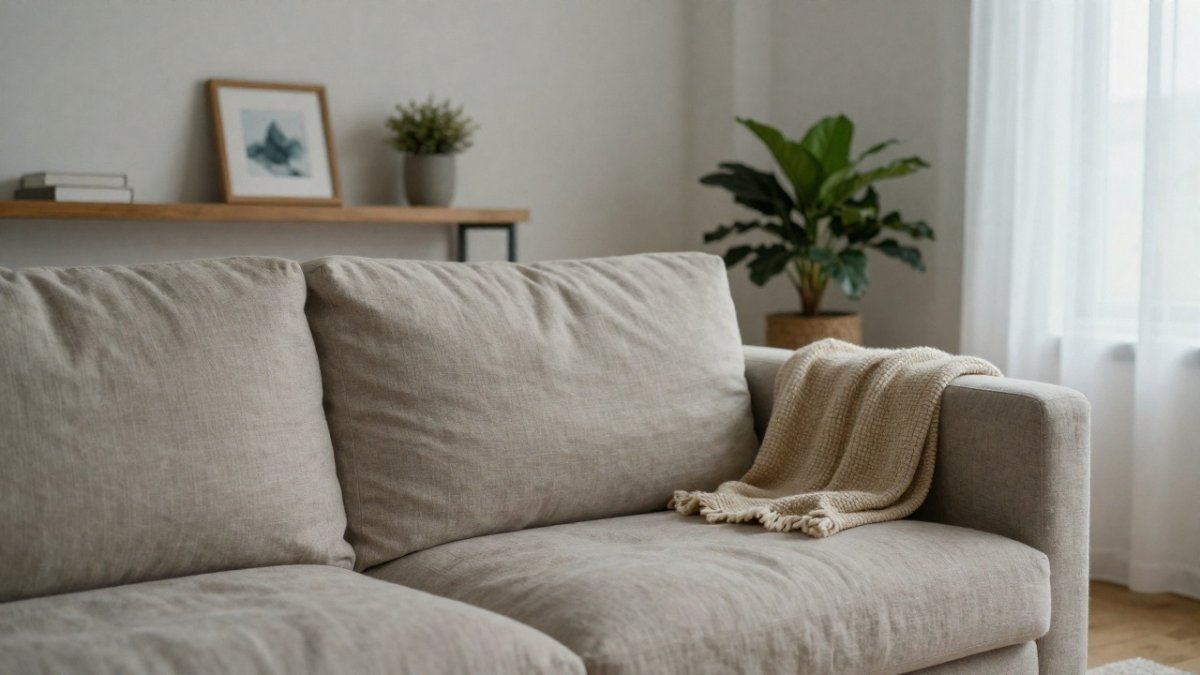
Start with the seating. Clear the floor around it, then add one soft light and one textured throw. Keep the coffee table mostly bare, with a single tray for the essentials. One piece of art on the main wall is enough.
Bedroom
The bedroom needs less than any other room. Choose soft, natural bedding, keep the bedside table nearly empty, and use warm lamps instead of a ceiling light. Remove screens where you can. A small painting above the bed or on a dresser gives the eye a gentle place to rest.
Entryway and Desk
The entryway sets the tone for the whole home. Add a hook, a tray for keys, and one small object you love. On a desk, clear everything except the tools you use daily, then add one small artwork or a single stem in a vase.
Finding Handcrafted Art for Your Slow Living Home
Handcrafted art fits a slow home because it carries the maker's hand. You can see the brush marks, the small variations, the time spent.
At Bee Still Art Studio, Dr. Joyce Still paints original watercolor and mixed media works inspired by the natural world.
If you are new to collecting, start with one piece you keep returning to.
Frequently Asked Questions
What are some simple slow living home decor ideas on a budget?
Start with what you already own: clear one surface completely, move a plant to a spot where you actually see it, and swap a bright throw for a neutral one. Shop secondhand for wood and ceramic pieces, and hang a single small original artwork rather than a gallery wall. None of these requires a big spend, and each one shifts the room toward calm rather than clutter.
How can I decorate a small home for slow living?
Small spaces benefit most from restraint. Keep a neutral palette so the eye is not pulled in ten directions, choose furniture with visible legs to show floor space, and use one or two meaningful objects per surface instead of clusters. A single piece of miniature art adds character without taking up much room, which suits small-space living well.
How can nature-inspired art make a home feel more peaceful?
Nature-inspired home decor works because it gives the eye somewhere soft to rest. Botanical and wildlife subjects echo the colours and shapes we associate with being outdoors, which supports a calm environment. A small original watercolor placed where you pause, such as a desk or bedside shelf, turns a passing glance into a moment of quiet attention.
What decor styles work well with slow living?
Scandinavian style, minimalist interiors and hygge all sit naturally alongside slow living interior design. They share a preference for neutral palettes, natural materials, soft lighting and layered textures over trend-driven pieces. The common thread is intentional living: fewer items, chosen well, in honest materials like wood, linen and ceramics that age gracefully.
